

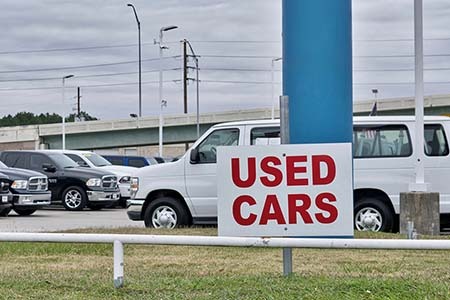
Before you buy a used car, either from a dealer of a private seller, start with a clear budget and solid research. Look beyond the sticker price by factoring in taxes, registration, insurance, fuel, and loan terms. Check the vehicle history report for title issues, accident records, mileage, recalls, and service history.
Physically inspect a used car by checking:
- the exterior of the car for damage,
- the interior for wear or odors,
- the tires for age and tread, and
- the engine bay for leaks, missing parts, or strange noises.
If you’re buying from a private owner, ask why they’re selling, how long they’ve had the vehicle, and whether they can show maintenance records and repair receipts.
Take a look at the complete checklist for buying a used car posted by CarGurus. Their article also focuses on what happens once you’re ready to buy.
The final step is getting a pre-purchase inspection from a qualified mechanic, which can uncover hidden damage or worn components before you commit. A trained professional can spot hidden damage, worn components, poor repairs, or signs of future mechanical problems that may not be obvious during a test drive. Spending a little money on an inspection before you buy can help you avoid costly surprises and give you stronger footing to negotiate the price or walk away if the vehicle has serious issues.
Looking for immediate answers to your questions?
Call 1-619-990-3638, or send an email, for a FREE consultation today!
 Certified Pre-Owned Vehicle: Pros and Cons